
How Long Does Motorcycle Riding Gear Last
A Complete Guide to Knowing When It's Time to Replace Your Gear
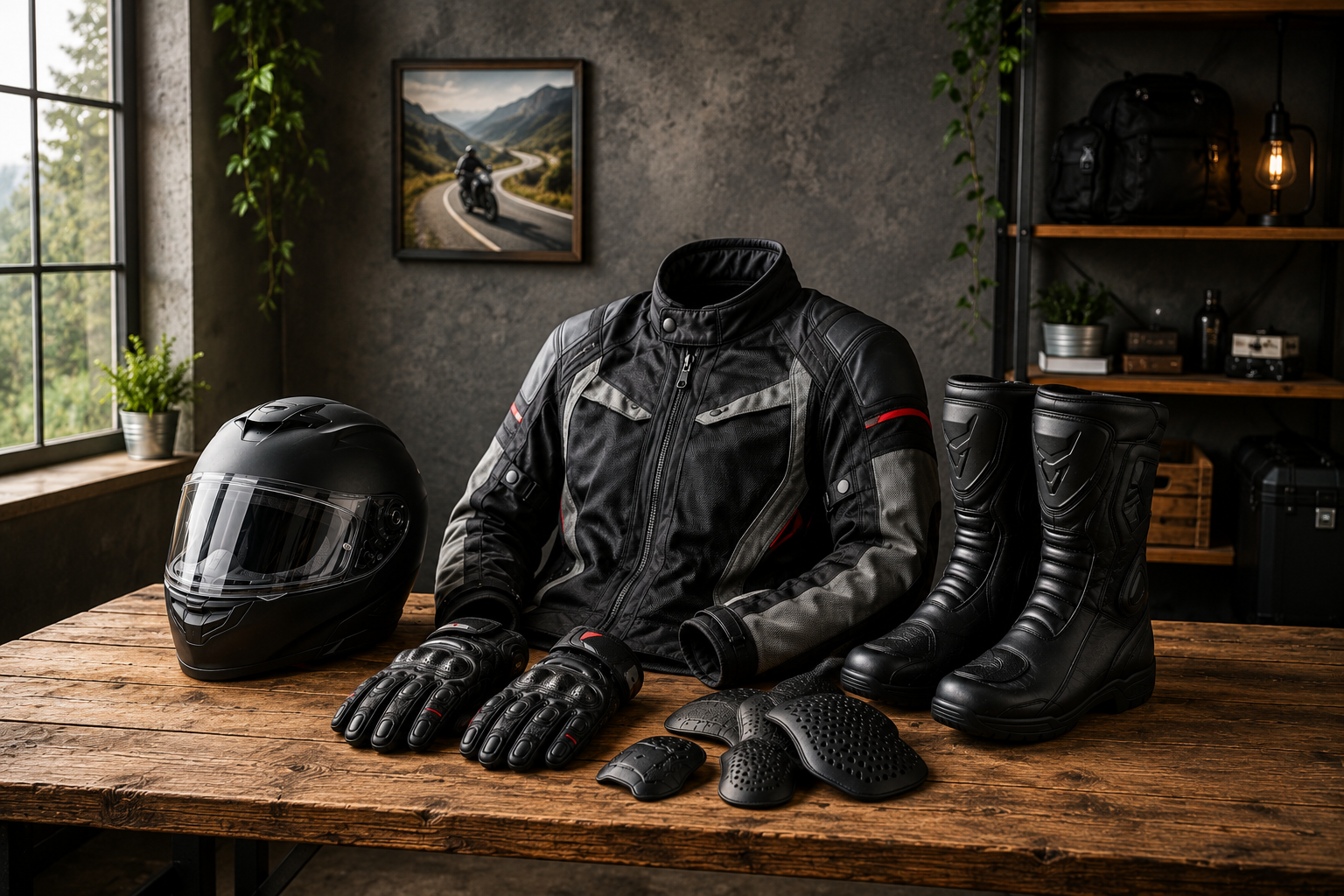
Motorcycle riding gear is one of the most important investments a rider can make. A quality helmet, jacket, gloves, pants, and boots don't just improve comfort—they're designed to protect you when things don't go according to plan.
But here's a question many riders overlook:
How long does motorcycle riding gear actually last?
Unlike your motorcycle, riding gear isn't meant to last forever. Exposure to sunlight, rain, sweat, dust, repeated use, and even simple aging can reduce its ability to protect you effectively. While premium gear from trusted brands is built to withstand years of riding, every piece of protective equipment has a lifespan.
In this guide, we'll explain when to replace your motorcycle helmet, jacket, gloves, pants, and boots, along with the warning signs you should never ignore.
Why Replacing Riding Gear Matters
Motorcycle gear is designed to absorb impacts, resist abrasion, and protect your body in a crash. Over time, the materials naturally deteriorate.
Even if your gear still looks good on the outside, factors such as UV exposure, moisture, repeated washing, and normal wear can weaken protective materials.
Replacing worn-out gear isn't about keeping up with the latest styles—it's about ensuring your protection performs when you need it most.
Motorcycle Helmets
Average Lifespan
5 to 7 years from the date of first use.
Most helmet manufacturers recommend replacing a helmet after about five years of regular use. The outer shell may still appear fine, but the EPS (Expanded Polystyrene) impact liner gradually loses its ability to absorb energy.
Replace Your Helmet Immediately If:
- It has been involved in any crash or significant impact.
- The shell has visible cracks or deep scratches.
- The EPS liner is compressed or damaged.
- The chin strap is frayed or no longer secures properly.
- The visor is badly scratched, reducing visibility.
- The helmet feels loose compared to when it was new.
Pro Tip
If you ride frequently in India's hot climate, your helmet may experience accelerated wear due to constant heat, humidity, and sweat. Proper cleaning and storage can help maximize its lifespan.
Motorcycle Jackets & Pants
Average Lifespan
5 to 10 years, depending on usage and maintenance.
Premium textile jackets from brands like Rev'it are designed to withstand years of touring and daily riding. However, waterproof membranes, stitching, zippers, and protective armour all experience wear over time.
Signs It's Time to Replace Your Jacket
- Torn or heavily abraded outer fabric.
- Broken zippers or Velcro closures.
- Loose or damaged stitching.
- Waterproof membrane no longer keeps water out.
- Armour no longer stays in the correct position.
- Fabric has become excessively faded or brittle from UV exposure.
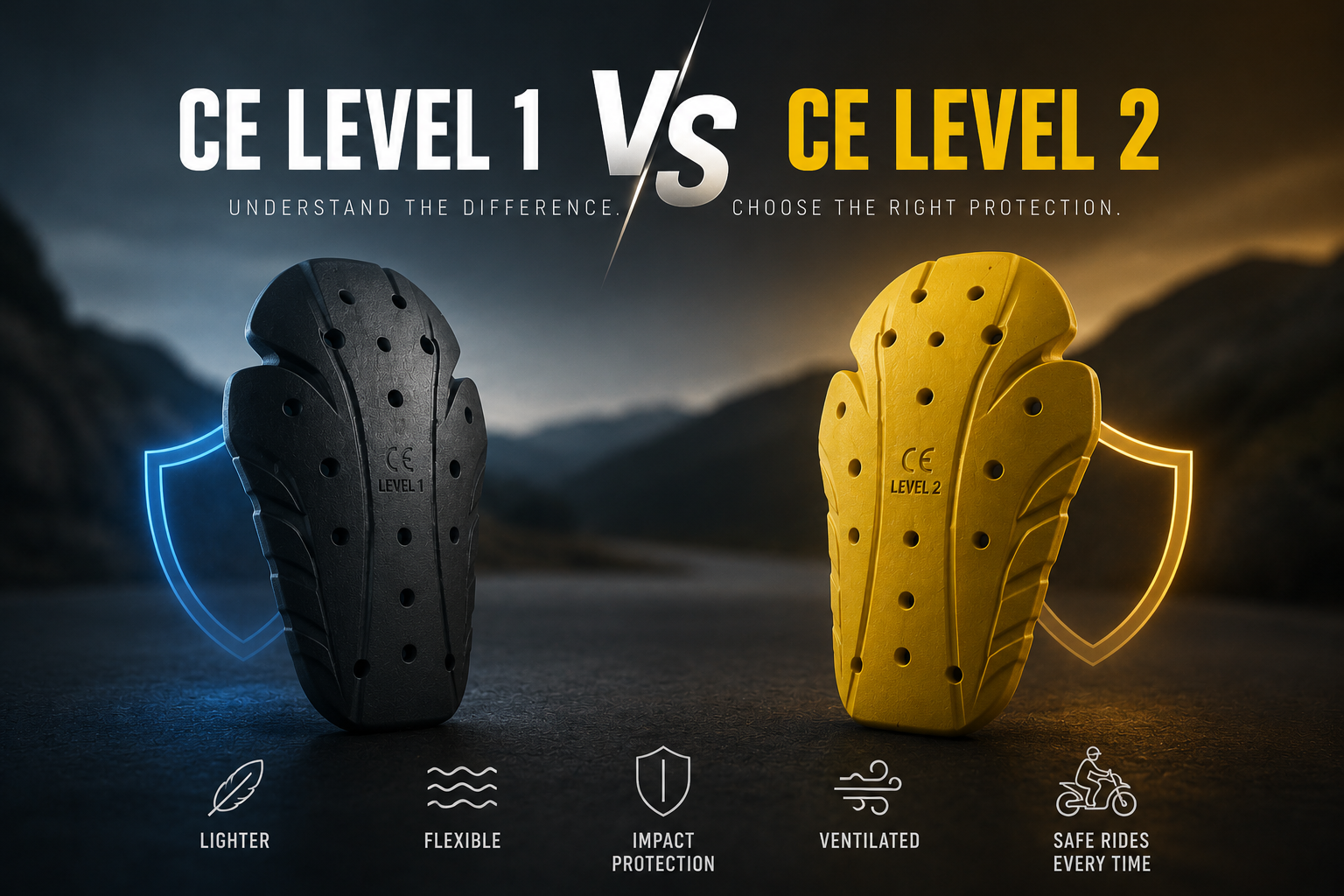
Don't Forget the Armour
Many riders focus on the jacket while ignoring the protectors inside.
Inspect shoulder, elbow, back, hip, and knee armour regularly. Replace armour if it has:
- Cracks
- Permanent deformation
- Damage after a crash
- Loss of flexibility (depending on armour type)
Modern CE Level 2 armour is designed to remain flexible while providing excellent impact protection. If your armour no longer feels secure or has been compromised, replacing it is a smart investment.
Motorcycle Gloves
Average Lifespan
2 to 5 years
Your gloves are among the hardest-working pieces of riding gear. Every ride exposes them to sweat, sunlight, rain, vibration, and repeated flexing.
Leather gradually dries out, while textile materials lose strength over time.
Replace Your Gloves If:
- Holes appear in the palm or fingers.
- Seams begin to split.
- Knuckle protection becomes loose.
- Wrist closures stop fastening securely.
- Grip material has worn smooth.
Remember, your instinct during a fall is to put your hands out first. Worn gloves may no longer provide the abrasion resistance they once did.
Motorcycle Boots
Average Lifespan
5 to 8 years
Quality riding boots often outlast gloves because they're built with thicker materials and reinforced construction.
However, they're constantly exposed to rain, mud, engine heat, shifting, and walking.
Replace Boots When:
- Soles are badly worn.
- The sole begins separating from the boot.
- Ankle protection becomes loose.
- Waterproof lining leaks.
- Buckles or zippers fail repeatedly.
- The boot loses structural support around the ankle.
Good riding boots should remain supportive. If they begin feeling soft like everyday shoes, they've likely reached the end of their protective life.
Gear That Has Been in a Crash
This is one area where there should be no compromises.
Even if the damage looks minor, protective gear may have absorbed forces that aren't visible externally.
As a general rule:
- Helmet: Replace after any significant impact.
- Jacket and Pants: Carefully inspect for abrasion, torn seams, damaged armour, and compromised construction.
- Gloves: Replace if leather has worn through or armour has taken a direct hit.
- Boots: Replace if the structure, ankle protection, or sole has been damaged.
When in doubt, choose safety over savings.
How to Make Riding Gear Last Longer
You can significantly extend the life of your riding gear with proper care.
Here are a few simple habits:
- Clean gear according to the manufacturer's instructions.
- Avoid harsh detergents and bleach.
- Let gear air dry naturally after rain rides.
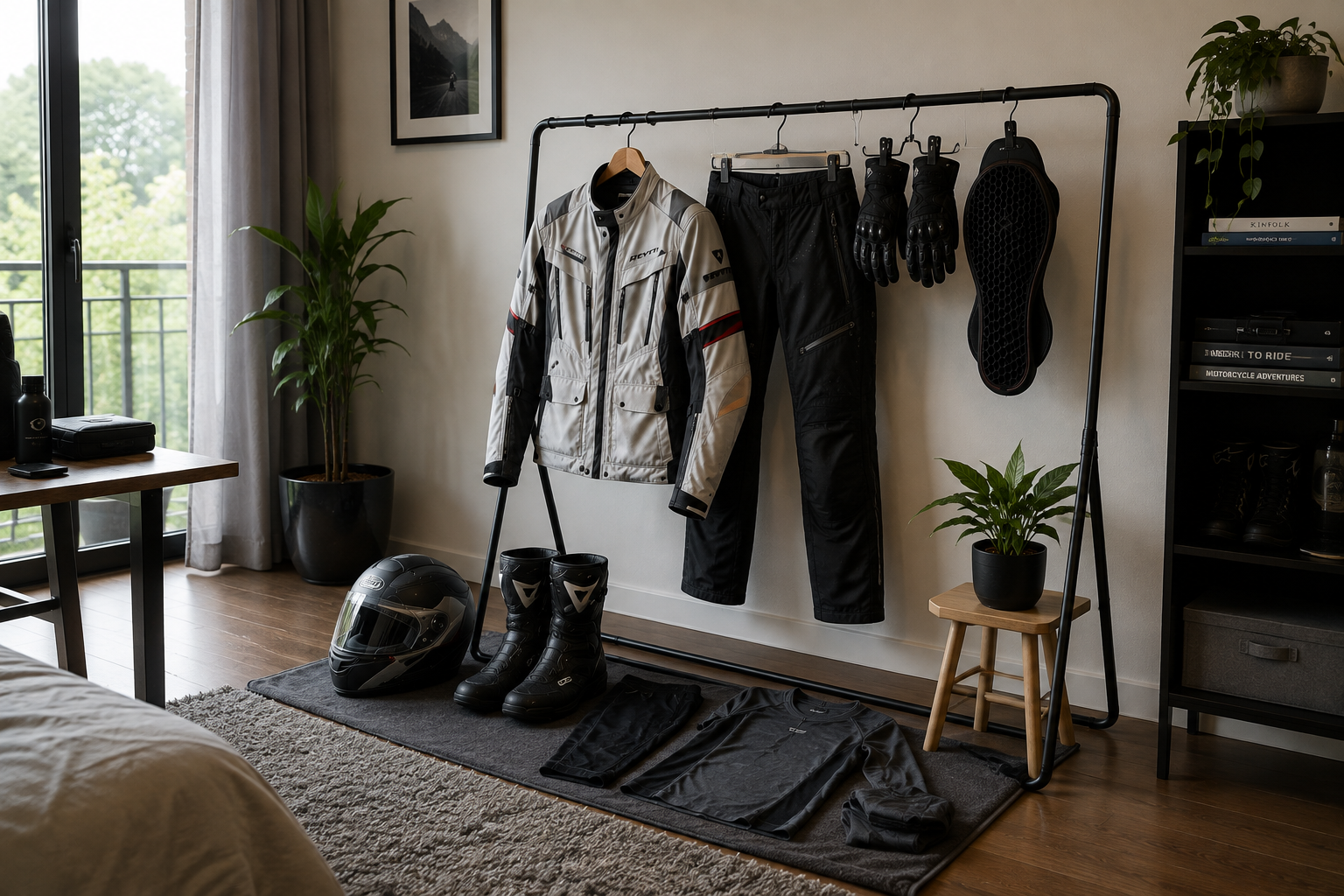
- Store helmets in a cool, dry place away from direct sunlight.
- Hang jackets and pants instead of folding them tightly.
- Condition leather products periodically using suitable leather care products.
- Keep waterproof gear clean, as dirt can reduce the effectiveness of water-repellent coatings.
- Inspect zippers, stitching, and armour every few months.
A little maintenance goes a long way toward preserving both comfort and protection.
Is Premium Riding Gear Worth It?
While premium riding gear often comes with a higher upfront cost, it is typically built with higher-quality materials, stronger stitching, better ventilation, replaceable armour, and more durable waterproof membranes.
That means it can offer a longer service life—provided it's properly maintained and replaced when necessary.
More importantly, quality gear is designed to perform consistently throughout its lifespan, giving riders greater confidence on every journey.
Final Thoughts
Your motorcycle can be repaired or replaced—but your body can't.
Riding gear is safety equipment, not just riding apparel. Regular inspections and timely replacements ensure that your helmet, jacket, gloves, pants, and boots continue to provide the protection they were designed for.
If you notice signs of wear, damage, or aging, don't wait until your next big ride to take action.
Investing in well-maintained, properly fitting riding gear is one of the smartest decisions any motorcyclist can make.

1 comment
I can definitely relate to this. I used to think riding gear only needed replacing when it was visibly damaged, but after using the same gear for a few years, I started noticing smaller things like stitching getting weaker, zippers becoming rough and the inner lining not feeling the same anymore. These days, whenever I’m checking out new gear or comparing options on sites like 6KIOM, I also think about how long the gear is likely to last and how easy it will be to maintain. It’s easy to focus on how gear looks when buying it, but durability and condition over time are just as important. Good reminder to actually inspect our gear regularly.
Kiran
Leave a comment
This site is protected by hCaptcha and the hCaptcha Privacy Policy and Terms of Service apply.