

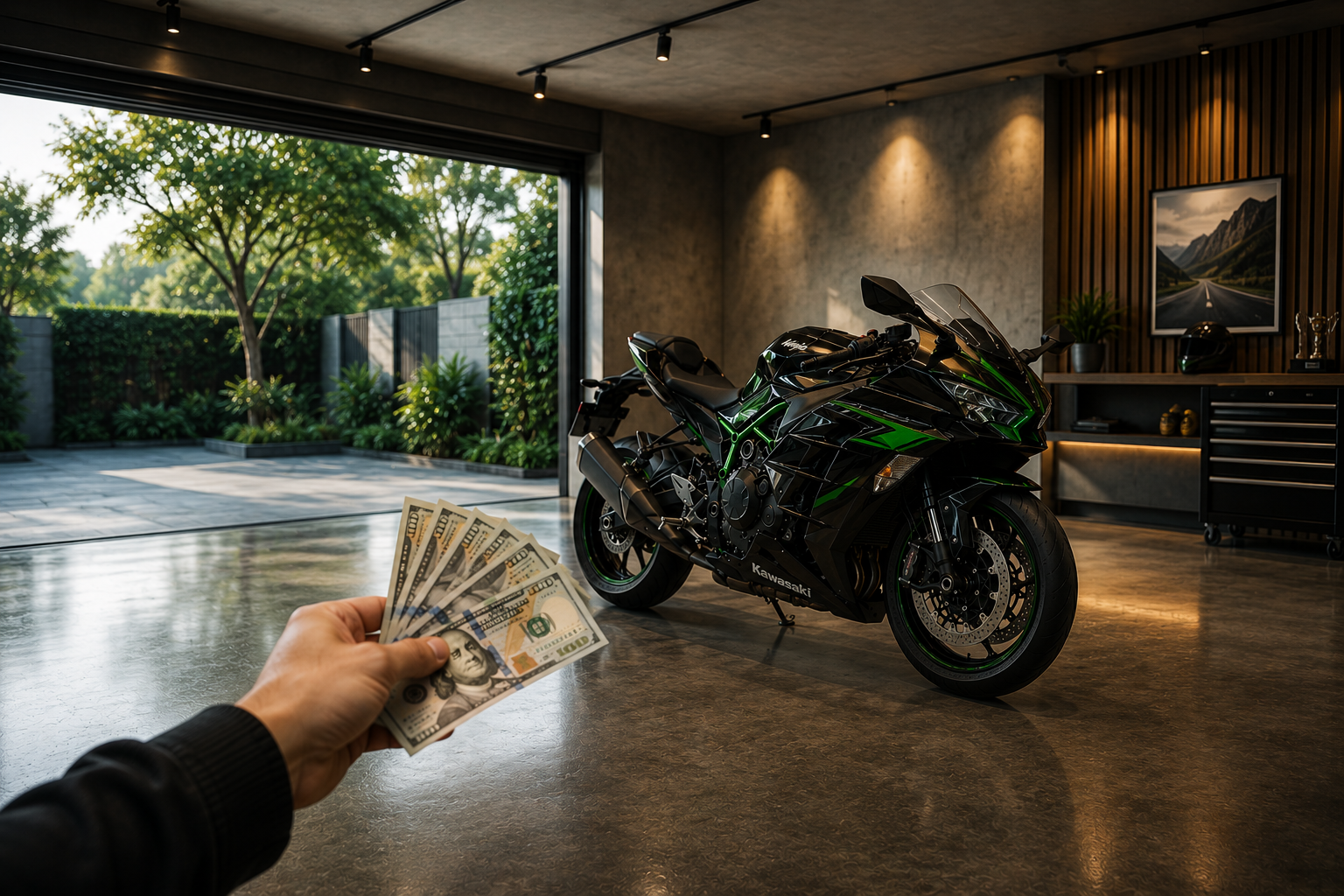
Buying a Used Motorcycle in India: The Complete Guide to Making the Right Purchase
There's something incredibly satisfying about finding a great motorcycle at a great price. In India, the used motorcycle market is thriving, offering everything from daily commuters and adventure bikes to premium superbikes at prices that make ownership far more accessible. Whether you're a first-time rider looking for your first machine or an experienced enthusiast hunting for your next upgrade, buying used can often be the smartest way to stretch your budget.
However, a used motorcycle is only a bargain if it's been properly maintained. What looks like a fantastic deal online can quickly become an expensive headache if the bike has hidden mechanical issues, accident damage, incomplete paperwork, or a questionable ownership history. That's why it's important to look beyond the shiny photos and spend some time inspecting the motorcycle before making a commitment.
The first thing every buyer should focus on isn't the motorcycle itself—it's the paperwork. Many buyers get excited about the condition of the bike and forget that document-related issues can create far bigger problems than worn-out tires or a weak battery. Before anything else, ask to see the Registration Certificate (RC), insurance documents, service records, and Pollution Under Control (PUC) certificate. Make sure the engine and chassis numbers on the motorcycle match those mentioned in the RC. If the bike was purchased through financing, verify that any loan has been cleared and that the hypothecation has been removed. A motorcycle with clean paperwork is always worth more than one with unresolved legal or ownership concerns.
Once the documentation checks out, it's time to inspect the motorcycle closely. Start by walking around the bike and looking at it from every angle. Pay attention to the paintwork, panels, fuel tank, and bodywork. Uneven paint, mismatched panels, or fresh paint on a specific section may indicate previous accident repairs. While minor cosmetic damage is normal on a used motorcycle, structural repairs are a different story altogether. Take a close look at the frame, especially around weld points and mounting brackets. Any signs of cracks, bends, or unusual welding should raise concerns.
In India, one factor that many buyers overlook is flood damage. With heavy monsoons affecting several regions every year, some motorcycles end up submerged in water and later re-enter the market after basic cosmetic repairs. Signs of excessive rust, corrosion on electrical connectors, water stains under the seat, or mud deposits in hard-to-reach areas can all indicate flood exposure. These motorcycles often develop recurring electrical problems and are best avoided.
The engine is, of course, the heart of the motorcycle, and inspecting it properly can save you from expensive repairs down the road. Try to inspect the bike when the engine is completely cold. Some sellers warm up the motorcycle before a viewing to hide cold-starting issues. A healthy engine should start easily without excessive smoke or unusual noises. Listen carefully for knocking sounds, rattles, or vibrations that seem out of place. While some engine noise is normal depending on the model, excessive mechanical sounds are usually a warning sign. Also, check around the engine casing for signs of oil leaks, as these can indicate poor maintenance or worn seals.
Mileage is another area where buyers often make mistakes. Many people assume that a motorcycle with lower kilometres on the odometer is automatically a better purchase. In reality, maintenance history matters far more than mileage alone. A motorcycle that has covered 40,000 kilometres with regular servicing may be a much safer purchase than one showing 15,000 kilometres but lacking service records. Look at wear items such as the footpegs, brake pedals, grips, and seat condition. These components often tell a more accurate story about the bike's usage than the odometer itself.
As you continue the inspection, don't forget to examine the chain, sprockets, brakes, and tires. These are consumable components, but replacing all of them immediately after purchase can add a significant amount to your ownership costs. A rusty chain, hooked sprocket teeth, heavily worn brake pads, or old tires can be useful bargaining points during negotiation. Similarly, inspect the suspension for oil leaks and ensure it moves smoothly without unusual noises or excessive bouncing.
Modern motorcycles also rely heavily on electronics, making it important to test every switch and electrical component. Check the headlight, indicators, horn, brake lights, instrument cluster, and any additional accessories fitted to the bike. Electrical problems can sometimes be difficult to diagnose and may become frustrating to deal with after the purchase.
Perhaps the most important step in the entire buying process is the test ride. No amount of visual inspection can replace spending time on the motorcycle. During the ride, pay attention to how the engine delivers power, how smoothly the gearbox shifts, and whether the motorcycle tracks straight without pulling to one side. Test the brakes under controlled conditions and ride over uneven roads if possible. Strange vibrations, steering instability, clutch issues, or suspension problems often reveal themselves only when the motorcycle is being ridden.
Pricing is another area where patience pays off. Before negotiating, spend some time researching similar motorcycles on platforms such as OLX, BikeDekho, Quikr, and enthusiast groups. Understanding the market value of the motorcycle helps you identify overpriced listings and suspiciously cheap deals. If a bike is significantly cheaper than others in the market, there's usually a reason behind it.
For Indian buyers, there are a few additional considerations worth keeping in mind. Single-owner motorcycles generally have a more transparent history and are easier to verify. Excessively modified motorcycles may look attractive, but they often introduce reliability issues and can complicate insurance claims. If you're purchasing a premium motorcycle, check the availability and cost of spare parts before finalizing the deal. It's also worth prioritizing BS6 motorcycles where possible, as they are likely to hold their value better in the coming years and align with current emission regulations.
At the end of the day, buying a used motorcycle isn't about finding the cheapest bike available—it's about finding the best-maintained one. A little patience, careful inspection, and thorough verification can save you thousands of rupees in future repairs while ensuring that your ownership experience starts on the right note. Take your time, trust your instincts, and don't be afraid to walk away if something doesn't feel right. There will always be another motorcycle for sale, but finding the right one is worth the wait.
Happy hunting, and more importantly, ride safe.


Leave a comment
This site is protected by hCaptcha and the hCaptcha Privacy Policy and Terms of Service apply.